

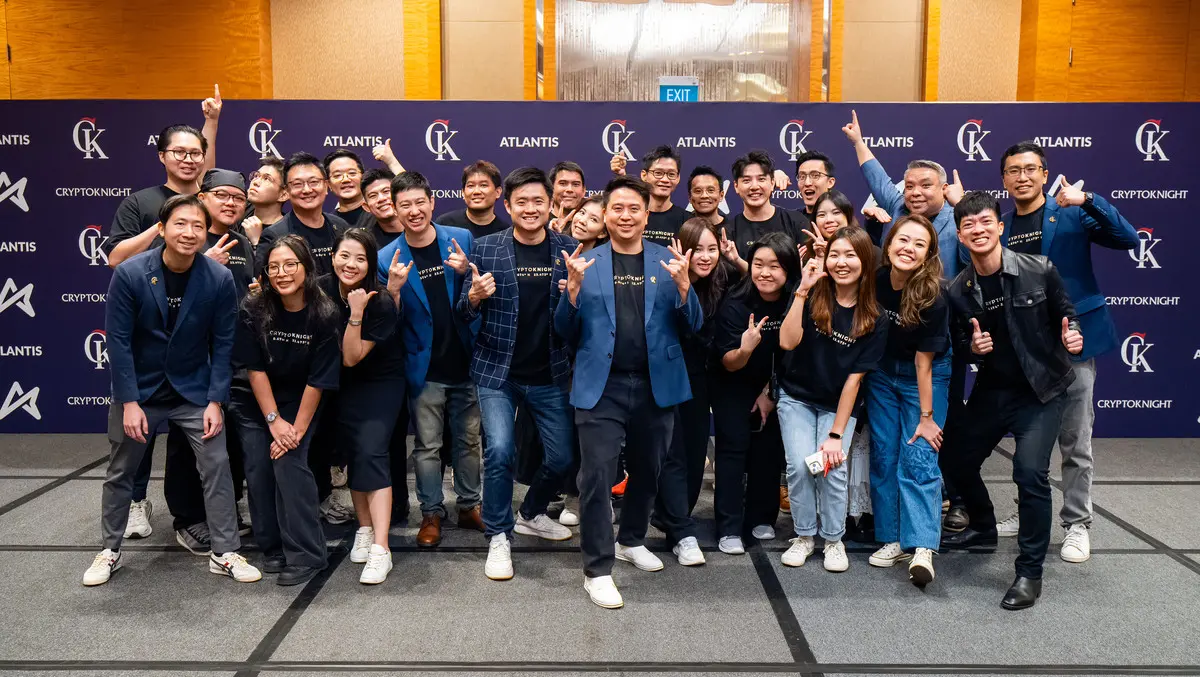
Atlantis Lab unveils self-custody crypto control hub
Wed, 14th Jan 2026
Atlantis Lab has launched Atlantis, a web-based hub that combines access to multiple crypto wallets and exchanges in one interface while keeping users in control of their assets.
The Singapore-based company said Atlantis targets a common issue for retail crypto users. Many people use separate wallet apps, exchanges, portfolio trackers and analytics sites. Atlantis presents a single view across connected services and offers a set of tools for routine actions.
Hub Features
At launch, Atlantis includes a cross-chain portfolio tracker and market monitoring tools. Users can view holdings across connected wallets and exchanges. The product also includes a section to explore and monitor the top 100 coins and carry out basic research.
Atlantis also lets users send funds from connected wallets. It includes token swap functions and a bridge function for moving assets across supported chains. Atlantis Lab said these actions run from the same interface.
Users often move between different interfaces for these tasks. They may also copy and paste addresses across apps. Atlantis Lab said each extra step increases the chance of user error and raises exposure to unsafe links.
Custody Model
Atlantis Lab described Atlantis as a non-custodial access layer. The company said it does not hold, pool or manage user funds. It said it does not request private keys or seed phrases.
It also said the platform does not run order books or act as a trading counterparty. Users connect to wallets and interact with third-party protocols and services. Atlantis focuses on the interface that sits on top of those connections, according to the company.
"Most people do not lose money in crypto because they are careless or reckless. They lose money because the tools are fragmented, confusing, and easy to get wrong," said Zachary Young, Founder of Atlantis Lab and CEO of CryptoKnight Academy.
Young described Atlantis as an attempt to separate the interface from custody. "Atlantis was created to change that experience. We centralise the interface, not the assets, so users can rely on one clear control panel for Web3 while their funds stay in their own wallets and on decentralised protocols, where they belong," said Young.
Education Input
Atlantis Lab said it developed the product within CryptoKnight Academy, a crypto education community founded in Singapore in 2017. The company said the design drew on behavioural insights from more than 40,000 learners. It cited surveys, coaching sessions and live classes as sources of user feedback.
The company said those sessions highlighted recurring patterns. Users struggled to keep track of holdings across platforms. They also made mistakes because each tool had different workflows and interfaces.
Crypto education communities have become a common entry point for retail users, particularly in markets where regulation and product access vary. Such communities often focus on security practices and custody choices. Atlantis Lab linked its product direction to those themes and said self-custody sits at the centre of the experience.
"In environments where users are increasingly cautious, innovation has to lower risk rather than add to it," said Young.
"That is why Atlantis is built with self-custody as the default, a deliberately simple interface, and education integrated into the ecosystem. We want complete beginners to understand what they are doing and feel confident taking basic actions, rather than feeling overwhelmed or exposed," said Young.
Technical Approach
Atlantis Lab said the platform connects to multiple decentralised providers for data, connectivity and transaction routing. It said this reduces reliance on a single service. It also said the approach improves resilience for users.
The company did not disclose which providers it uses. It also did not provide pricing details or user numbers for Atlantis.
Next Steps
Atlantis Lab said it plans to expand chain and protocol support. It also cited work on a smoother mobile experience and "smarter insights" within the existing toolset.
The company said it will keep the product focused on a simple interface and a self-custodial model as it adds features.