

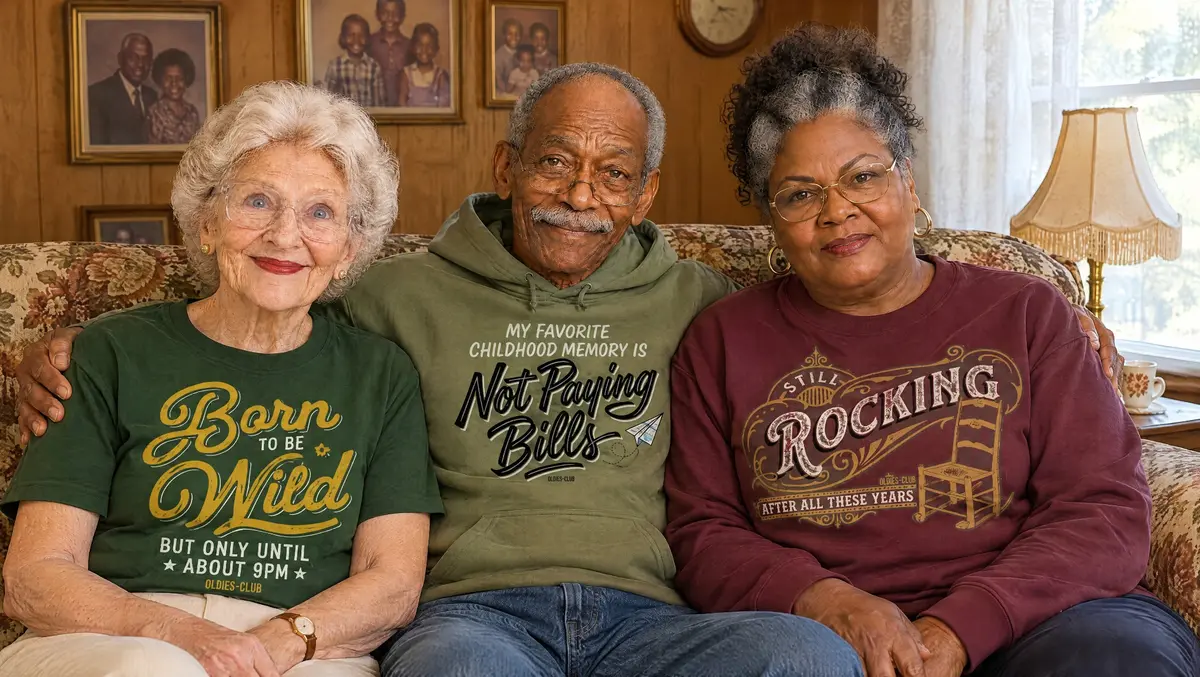

Oldies-Club has urged brands to rethink how they market to consumers aged 55 and over on social media, arguing that this audience is already active on major digital platforms.
The Amsterdam-based comedy studio drew on external research and its own audience data as marketers plan future spending. It argues that older consumers are still often targeted through television, print and direct mail, even as their social media use and digital purchasing influence grow.
AARP's 2026 Longevity Economy Outlook found that US households headed by someone aged 50 or older accounted for USD $10.7 trillion in consumer spending in 2024, representing more than half of all household consumer spending in the country.
Separate figures from Pew Research Centre showed broad use of mainstream social platforms among older Americans. Among people aged 50 to 64, 71% use Facebook and 85% use YouTube. Among those aged 65 and older, the figures were 59% and 65%, respectively.
CivicScience also reported a shift in how older consumers make purchasing decisions. In 2026, 42% of Americans aged 55 and over said they had been influenced in their purchasing decisions by at least one of the digital advertising formats examined, up from 36% in 2024.
The same research found that 34% of Americans aged 55 and older follow social media influencers. One in four also spends at least two hours a day on social media.
Audience data
Oldies-Club cited its own performance as evidence that mature audiences engage with entertainment-led social content. The studio produces short-form comedy centred on three recurring characters, Dot, Pearl and Bob, with storylines about relationships, marriage, family and everyday life.
According to its internal social media analytics, Oldies-Club generates more than 100 million monthly video views across Facebook, Instagram and YouTube globally. Its media kit says 66% of its audience is aged 55 and over, and more than 60% is in the United States.
One of its reels reached 36 million views in four days. Its YouTube channel recorded 500,000 views in August and 13.6 million views in the first 12 days of November, and is now monetised.
Its community group has 5,300 members, with 70% active each month. Oldies-Club argues that this level of engagement shows older viewers are not limited to passive media consumption and are participating on social platforms in significant numbers.
Marketing shift
Oldies-Club argues that brands may be working from an outdated picture of older consumers. While traditional media still carries trust with this demographic, the research it cites suggests digital channels play a growing role in discovery, entertainment and purchase behaviour.
That has implications for sectors that have tended to focus social and creator marketing on younger groups. The studio says the opportunity extends across travel, financial services, food and beverage, consumer goods, home and lifestyle, fashion, health and wellness, and technology.
Its approach centres on placing older characters in mainstream social entertainment rather than limiting them to themes such as healthcare, retirement or ageing. It argues that brand messages can sit within humorous, character-led stories rather than appearing only in conventional advertising formats.
"The marketing industry spends enormous amounts of time discussing how to reach younger generations on social media. But older consumers are already there too. They're watching, laughing, sharing and engaging. The opportunity is to rethink the content and channels we use to connect with them," said Michael van Os, Director of Partnerships, Oldies-Club.
Oldies-Club is not arguing for a full move away from traditional media. Instead, it says digital and creator strategies should better reflect where older audiences now spend time and how they encounter brands.
According to its description of the business, the company uses AI-assisted production in content creation. Its central claim, however, rests less on production methods than on audience behaviour and the commercial case for treating mature consumers as an active part of the creator economy.
"We're not suggesting that brands should abandon traditional media. We're suggesting that their digital and creator marketing strategies should reflect where older consumers actually spend their time. Being over 55 doesn't make someone less interested in entertainment, less digitally connected or less commercially relevant," said van Os.