

Oli appoints medtech executive as it nears FDA filing
Wed, 14th Oct 2026 (Today)
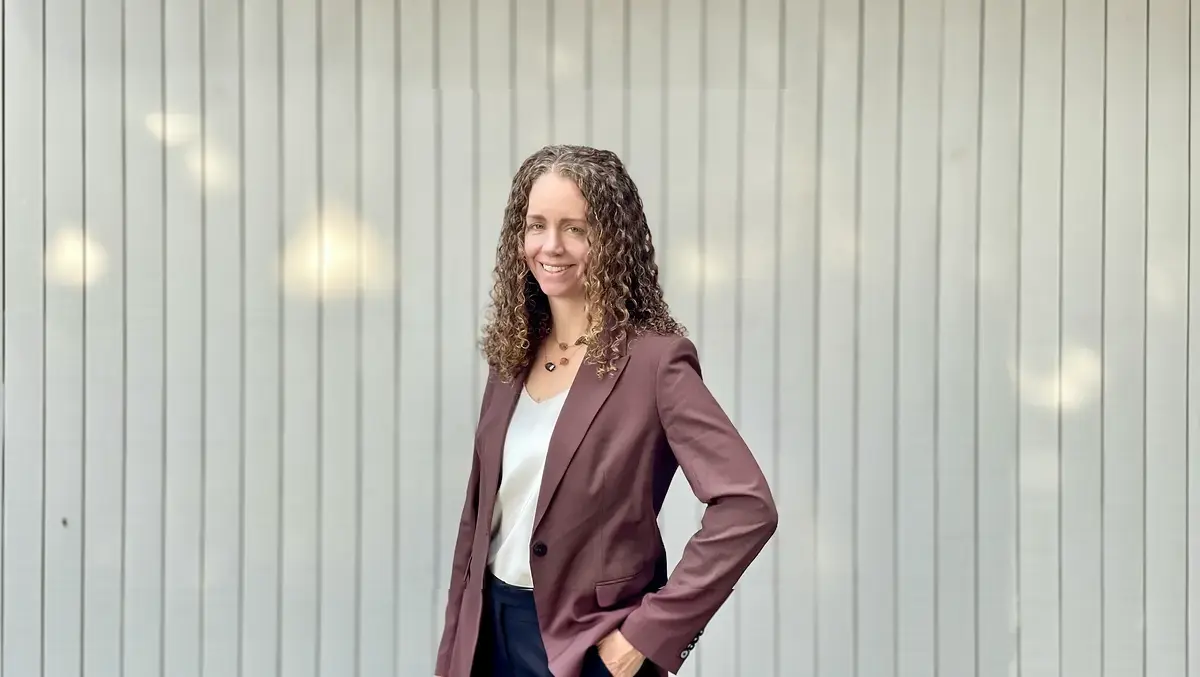
Oli has appointed US medtech executive Colby Holtshouse to its Board of Directors as the maternal-fetal monitoring company prepares regulatory submissions in Australia and the United States.
Holtshouse has held senior roles in women's health and obstetrics, including Chief Operating Officer at Alydia Health and Global MedTech Commercial Lead at Organon following Alydia's acquisition. She led the commercialisation of the JADA System, a device used to treat and control postpartum haemorrhage, which was later acquired by Labourie in a deal valued at up to USD $465 million.
She is now Chief Executive Officer and President of May Health, a clinical-stage company developing technology for PMOS and PMOS-related infertility.
Her appointment follows the completion of Oli's fourth and final pivotal clinical trial ahead of planned submissions to the Therapeutic Goods Administration and the US Food and Drug Administration. The study enrolled 1,000 mothers across seven hospital sites in Australia and the United States.
The trial focused on postpartum haemorrhage, one of the leading causes of maternal mortality worldwide. Up to 40% of postpartum haemorrhage cases occur in women classified as low risk at admission, creating a challenge for clinicians relying on current monitoring methods.
Oli is developing a wireless wearable monitor designed to predict complications before they happen. Its first clinical application targets postpartum haemorrhage, with the system intended to provide warning before the onset of a severe bleed rather than identify the condition only after significant blood loss.
Initial findings cited by the company showed warnings could be generated at least one hour before birth, and in some cases up to nine hours earlier. Oli has so far monitored 1,600 women in clinical studies, analysed more than 20 million maternal heartbeats, and recorded more than 100,000 contractions.
The business has raised $25 million to date. Beyond postpartum haemorrhage, it said the same underlying technology could eventually be used to analyse and predict up to 15 pregnancy and birth conditions, including fetal distress, stillbirth risk, and labour progression.
Board addition
Chief Executive Officer Tara Croft said the appointment reflects the company's next stage of development.
"Colby brings the expertise Oli needs as we move towards regulatory approval and commercialisation," said Tara Croft, Chief Executive Officer of Oli.
"Her work bringing a major PPH technology from clinical development to market gives her a unique perspective on the path ahead for Oli. We're thrilled to have her joining us at this critical stage, as we take Oli from clinical validation towards regulatory approval and, ultimately, into the hands of clinicians and onto the bellies of mothers in birth rooms."
Holtshouse said her career has centred on women's health innovation, particularly in obstetrics.
"Much of my career has been focused on bringing new medical technologies to women's health, particularly in the area of obstetrics, where innovation has been limited despite profound unmet need," said Colby Holtshouse, Board Member of Oli.
"Oli is taking a fundamentally different approach to maternal and fetal monitoring - moving from a simple raw data feed to an intelligent synthesis of multiple inputs, with predictive power designed to identify risk before complications arise. I'm excited to join the Board at such an important point in the company's journey."
Clinical focus
Postpartum haemorrhage remains a major concern in maternity care because it can escalate within minutes. Around a fifth of a mother's blood flow goes to the uterus at term, and severe blood loss can develop quickly enough to become life-threatening.
Oli argues that earlier identification of risk could give clinical teams more time to prepare interventions before an emergency develops. That claim sits at the centre of its pitch as it moves from clinical validation to the regulatory stage.
Holtshouse said the broader maternal monitoring market has seen little change for years.
"Maternal and fetal monitoring has remained largely unchanged for decades, which is astounding. I'm excited to help guide Oli as it works to make a real difference in the birth experience for mothers and babies, their families and the clinicians beside them," Holtshouse said.
Croft said the company's focus remains on giving clinicians earlier notice of complications in the delivery room.
"At the end of the day, everything we are doing at Oli is about the mother and baby in the birth room, and the clinicians caring for them. If we can signal what's coming and when it's time to act, we can help protect the room from the unexpected and give teams more time to act, while also improving the trust, comfort and wearability of monitoring during labour. That's what we're working towards."