

.webp)
Cover Genius has published research suggesting many consumers do not understand the protection included with their payment cards. The survey also found a gap between demand for protection and how often it is offered at checkout.
The study surveyed 1,392 consumers across seven countries and found that 43% globally do not fully understand the cover bundled with their cards. Another 28% said they knew they had cover but had never used a benefit.
In the UK, the findings showed a similar pattern. Some 21% of respondents said they did not know what protection their card included, while 17% said they did not realise they had any built-in benefits at all. Only one-third said they had successfully used those benefits.
The figures suggest payment card protection often exists in the background but remains poorly understood by the customers who hold it. That matters because card-based cover can act as a fallback when retailers, travel platforms or banks do not present other protection options during a transaction.
Across the full survey, 87% of respondents said they consider what could go wrong when booking travel or making a major purchase. Yet only 30% of online shoppers said they had been offered protection at checkout, despite 79% saying they were satisfied the last time they bought it.
Automation appears to play a major role in whether consumers choose these products. Three-quarters of respondents said they would buy more protection if payouts were automatic, making it the strongest driver identified in the research.
Travel emerged as one of the clearest examples of latent demand. The report found that 76% of travellers would switch to travel platforms if insurance were included as a default loyalty benefit, while opposition to bundled cover stood at 3%.
For banks and fintech groups, the findings suggested strong consumer trust but weak awareness. Some 40% of respondents said they trusted their banks to provide protection, a higher share than for any other sector measured, but 16% said they did not realise their bank offered protection products.
The research also pointed to a potential pricing effect for financial services providers. Informed cardholders said they would be willing to pay a 25% premium for cards with built-in protection offerings.
Checkout gap
Retail and eCommerce businesses also featured prominently in the results. While 69% of online shoppers described delivery protection as essential, only 30% said they had ever been offered protection at checkout.
Consumer interest increased further when claims handling was removed from the process. Some 81% of global respondents said they would be more likely to buy shipping protection if lost or delayed packages triggered instant automatic refunds, without the need to file a manual claim.
The survey also examined attitudes towards AI-driven purchasing tools. Overall openness was relatively high at 78%, though younger consumers were more receptive than older groups.
Gen Z respondents led at 89%, followed by Millennials at 87%, Gen X at 74% and Boomers at 52%. At the same time, 22% of those surveyed said they rejected AI purchasing tools entirely, suggesting businesses still need to maintain non-automated service routes.
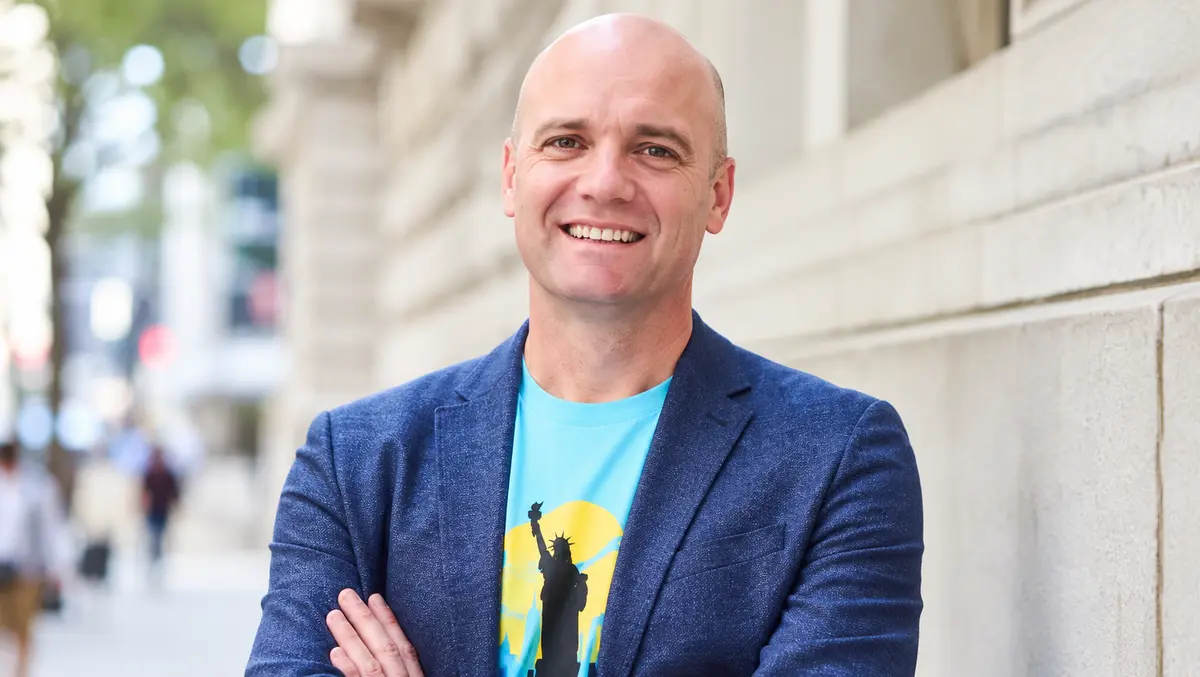
Angus McDonald, Chief Executive Officer and Co-Founder of Cover Genius, said the problem was not a lack of consumer interest but a failure to present protection clearly at the right moment. "Consumer appetite for protection continues to increase, but it often isn't showing up at the moment it's most needed," he said.
He added: "Every checkout without protection and every booking without coverage is a missed moment for both sides. The customer is exposed, and the business leaves revenue on the table. When protection is automatic and built into the transaction itself, that gap closes for everyone."
Awareness issue
The findings indicate that visibility may be as important as product design. Where cover is already attached to cards or accounts, consumers often appear unaware of it. Where protection can be added at the point of purchase, many shoppers say they are never offered the option.
That leaves providers with two separate issues to address: whether cover is available at the point of need, and whether existing benefits are explained clearly enough for customers to use them. In markets such as the UK, where significant shares of cardholders either do not know what is included or do not realise any benefit exists, the problem appears especially clear.
McDonald said automation remains central to adoption. "Automation is the single largest lever for growth in embedded protection," he said.
He added: "Our platform delivers personalised, contextual protection, with claims resolved quickly and approved funds available instantly. When you remove the burden of filing a claim from the customer, protection transforms from a reluctant add-on into a standout benefit."