Chief Information Officer (CIO) stories
Growing scrutiny of cryptographic supply chains is pushing maintainers, researchers and regulators into the same room in Prague this year.
Shared AI projects are stalling as marketers and technologists dispute control, with most CIOs claiming the final say on CMS and DXP choices.
While most firms already use AI tools, many are failing to train staff or tighten governance, widening a costly capability gap.
Only 19 per cent of enterprise AI use cases hit most or all goals, as Infosys urges firms to pair technology with data, training and governance.
Businesses that cut staff too aggressively on AI savings may face higher costs later, with Gartner forecasting rehiring for 30% by 2029.
Only 19% of North American executives say their companies have a plan to scale AI, exposing a sharp gap between intent and delivery.
Tech chiefs were urged to prioritise trust, governance and people over spending as AI, cyber threats and talent shortages reshape business.
As firms scale autonomous AI, Airrived's new control layer aims to expose agent ownership, permissions, data use and costs.
Poor data quality is undermining Australian firms' ability to trust AI, with 70% of leaders saying they lack full confidence in systems used internally.
The energy group has trimmed hiring bottlenecks, cutting candidate sign-off time by 27 days and speeding screening by 13 days with AI.
A 25-point gap between executives and engineers suggests many UK firms are scaling AI faster than they can diagnose failures or meet governance demands.
The wholesaler aims to cut duplication and complexity as it shifts to a more centralised system across Europe and Asia.
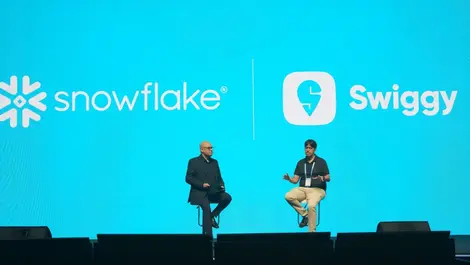
Swiggy's data teams can now run heavy queries far faster as the platform brings marketing, operations and finance onto one governed view.
Data sovereignty is now steering UK AI buying, while half of technology leaders say the Chief Information Officer will be blamed if systems fail.
The hire underlines Ledger's push into institutional digital asset security as AI-driven attacks and tokenised assets raise the stakes for breaches.
The tie-up gives both firms a stronger pitch to enterprises struggling to connect legacy systems, data and AI workflows across operations.
The appointment gives the cybersecurity firm a buyer-side voice on strategy as it targets more UK enterprise and mid-market customers.
Irish organisations can now buy Ekahau Wi-Fi planning tools through ROCTEL, as demand rises for better coverage and in-house network testing.
Most Indian firms now run workloads across public, private and on-premises systems, as cost, resilience and sovereignty concerns reshape cloud plans.
Fresh data and tighter controls are becoming critical as businesses push AI into production, with weak lineage and quality seen as a major risk.