Climate change stories
Spain's weather forecasts will be backed by faster computing and lower energy use as AEMET upgrades systems under a four-year deal.
The technology could save building owners thousands in annual utility bills while cutting emissions far faster than the AI systems themselves.
By 2027, AI expansion is set to drive up power and water costs, while forcing tougher rules on data centre building and funding.
The project aims to cut cooling-related power and water use as Singapore races to expand AI data centre capacity without overloading infrastructure.
People without compatible phones, English fluency or safe access to devices risk missing vital instructions when emergencies strike.
Road authorities may be missing hidden hazards as heavier rain and extreme weather increase landslip risks on high-risk corridors across Australia.
The deal could end the NZX's five-year IPO drought and fund expansion of a solar generator aiming to supply more homes and businesses.
Electricity alone will not slash emissions from commercial buildings unless HVAC systems are continuously optimised after installation.
The deal expands RSK's Australian renewables services as developers face tougher planning, approvals and community engagement hurdles.
Aucklanders are being told to brace for dry spells, strong winds and storm risk as a strong El Niño raises summer pressure on water supplies.
Older facilities may struggle as hotter summers, floods and grid strain threaten UK data centre uptime for essential services.
Businesses will hear practical guidance on tackling rising power demand, AI-driven electricity use and emissions pressure at the 2026 Auckland event.
The technology's next test is whether it can cut energy use and waste as firms face growing pressure to deploy AI more responsibly.
Utilities face mounting scrutiny and investment pressures, as Klarus brings in Stephen Haw to steer advice on technology, data and AI.
Advertisers face tighter scrutiny of green claims as New Zealand's standards body sets a standalone environmental principle from February 2027.
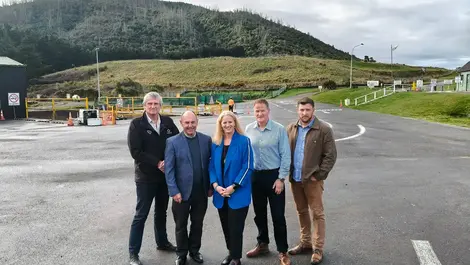
The upgrade is expected to divert up to 8,000 tonnes of waste a year as Taupō weighs a future beyond the Mt Tauhara dump.
Rotorua ratepayers will still be charged the full annual fee as the delayed kerbside organics rollout begins next week, despite complaints.
Homes and businesses in Awatoto should be better protected from more common floods after a 3.6km stopbank upgrade got under way.
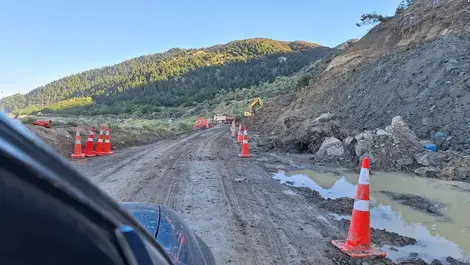
Rising rain-driven landslide risks are leaving road users exposed as inspectors miss unstable slopes hidden from view, a consultant warns.
Road repairs from repeated storms have driven the council's emergency fund to a NZD $1.2 million deficit, with subsidies covering only part of the bill.