Public Sector stories
SolarWinds found the most common attacks were phishing (95%) and malware (86%), with a large step down to third place, ransomware (54%).
Sungard AS' Chris Huggett talks about the huge responsibility in the public sector, and how sovereign public cloud has the potential to offer huge benefits.
There may be reasons for public sector agencies in particular to be somewhat reluctant with IT innovation spend.
The company's Public Sector Partner Program grew almost 40% this year, with more than 800 partners now on board.
The Treasury’s new pipeline forecast could help contractors invest in staff and kit by giving clearer visibility of future government work.
Industries from ports to airports are set to gain safer, faster communications as a multimillion-dollar network rolls out nationwide.
Two employers were fined after a worker’s arm was crushed during an x-ray machine removal, in a case WorkSafe says was easily avoidable.
A pledge to improve procurement, safety and housing supply aims to ease shortages and lift productivity across the sector.
With population growth and climate change mounting, utilities are rolling out new operations, reuse and safety measures to secure future supply.
It should reduce underinvestment, congestion and water problems by giving New Zealand’s infrastructure planning and procurement a more independent voice.
Digital identity could soon make everyday transactions easier for New Zealanders, as privacy and security concerns grow around online services.
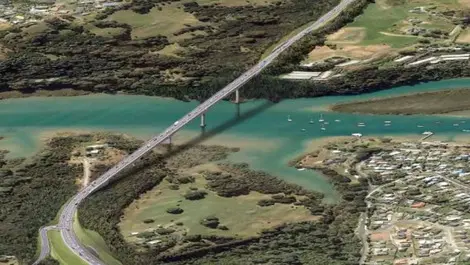
Delays to Penlink are prompting calls for clearer rules to speed up unsolicited infrastructure bids and attract more private investment.
Recognition for women in infrastructure comes after Sarah Lang grew the Women’s Infrastructure Network to seven chapters and 1,000 members.
Auckland Council's risk culture overhaul has won national recognition, with Cecilia Tse and its team both taking top honours at RiskNZ's awards.
WorkSafe New Zealand is hoping new practices will lift workplace safety performance as Daniel Hummerdal takes up a unique advisory role on 1 October.
Delaying climate reform could make New Zealand’s shift to a low-emissions economy costlier, more abrupt and far harder to manage.
Industry says the planned agency could improve pipeline visibility and procurement certainty for New Zealand contractors and investors.
Poor procurement could leave New Zealand’s record infrastructure pipeline facing higher maintenance bills and weaker project outcomes.
A 5% lift in project selection and delivery could add GBP £5 billion to New Zealand’s planned infrastructure spend over the next decade.
Excluding asset recycling from the review could leave councils without a key option to fund roads, water and housing as costs rise.