Vishing stories
Ransomware attacks spread through vendor systems and AI-aided tactics, leaving 7,551 publicly disclosed victims in the latest 12-month period.
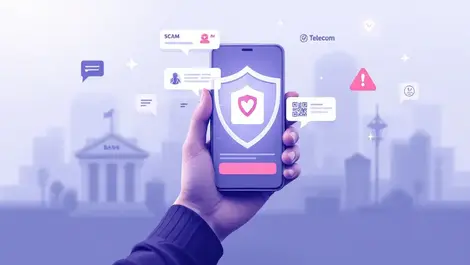
Households hit by AI-driven fraud can now screen suspicious calls and texts as Savi debuts its app and secures USD $7 million.
As attackers use AI to speed up phishing and malware, companies are being told that multi-factor authentication and patching matter more than ever.
Google says the campaign is shifting towards financial and legal firms, with rebranded extortion sites still stealing cloud logins and tokens.
Defenders now face a 48-hour window after proof-of-concept code appears, as attackers use AI to speed exploits and hit software chains.
Organisations now have just 48 hours to patch most flaws, as AI helps attackers weaponise vulnerabilities far faster than before.
Rising smartphone fraud is pushing banks, insurers and telecoms to add scam protection without building it in-house.
Employees now face more realistic phone-based fraud tests as security teams can simulate vishing using local caller IDs and AI voices.
Breaches are forcing boards to rethink cyber defence, with Google Cloud warning that recovery, staff readiness and containment matter most.
Australian consumers face a higher risk of tailored scams, as stolen contact details can be used to mimic trusted brands after the Origin breach.
Security teams face faster, harder-to-trace intrusions as AI is now being used to write attack code and run deception during breaches.
Public agencies risk ransomware within seconds as attackers exploit identities, cloud tools and virtualisation layers, Google warns.
Rising use of deepfakes and voice cloning is forcing firms to rethink staff training as insurers and buyers scrutinise human risk more closely.
AI-enabled scams are making it harder for UK and European businesses to win executive backing for staff-focused cyber defences.
Businesses face a fresh wave of identity theft-driven extortion as Helix is linked to BlackFile and ShinyHunters through shared infrastructure.
A live fraud campaign targeting Mexican banks, fintechs and crypto services exposed how criminals are using generative AI to draft malware.
Cybersecurity experts warn single-person approvals are now vulnerable after an AI agent used fabricated identities to slip malicious code past checks.
Online shoppers in New Zealand face a sharper risk of fraud as fake stores and remote access attacks exploit trusted digital services.
Scammers are exploiting Prime Day shopping sprees as Australia's new rules aim to stop fraudulent texts, emails and instant payments.
Human error and ungoverned AI are heightening cyber risk in Singapore, where most workers say deepfakes are hard to spot and scams could succeed.