Workforce development stories
Marketers worldwide can now access free courses as the companies respond to a 113% annual rise in AI-literate job postings.
Pressure is mounting on security teams as AI spending rises, with 68% saying the job has become harder over two years.
Closer cooperation in artificial intelligence, health and defence follows Canada-Ireland talks as bilateral trade reached $6 billion last year.
AI projects in full production race ahead as a global survey exposes a widening trust and speed gap with organisations still experimenting.
The deal gives employers more access to cyber and AI training as breaches rise and skills shortages deepen across finance, tech and government.
A cross-party plan is being urged to give businesses and public services certainty over digital investment, skills and online safety beyond election cycles.
The five-year gift aims to close Canada's AI skills gap by funding scholarships, research and training for students, professionals and small businesses.
More than 600 students left Delhi with guidance on portfolios and studio expectations as MAAC unveiled new training routes for creative jobs.
Many large UK firms are still struggling to embed AI into daily operations, despite strong demand and rising governance spend.
The North East's cyber profile gets a boost as the first regional Cyber Leader Summit arrives in Newcastle this autumn.
The appointment underscores Red Alpha's push to train workers who can bridge AI, operations and business needs as demand for hybrid talent grows.
The study aims to define the infrastructure needed for quantum and AI workloads in hot, humid data centre hubs such as Singapore and Batam.
Sydney will coordinate wider APJ growth as demand rises for earlier warning on cyber threats hitting critical infrastructure and finance.
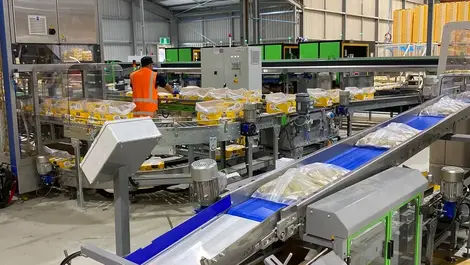
Automation in New Zealand packhouses is opening up graduate careers and strengthening the horticulture sector's resilience against global shocks.
A Christchurch logistics hub will keep climate-damaging refrigerant out of landfill, cutting emissions and easing supply pressures for heat pump owners.
A weak project pipeline is leaving firms underused and engineers heading overseas, sharpening fears of a future skills crunch in New Zealand.
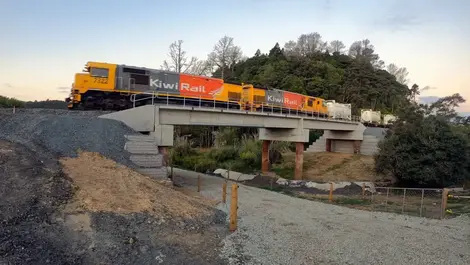
Rail’s economic case is growing, but deferred upgrades and an ageing workforce threaten reliable services and future freight gains.
Widening recruitment to disabled workers could ease New Zealand's skills crunch and deliver a fiscal boost of up to USD $1.45 billion by 2030.
More than 300 apprentices battled through regional heats before 10 finalists met in Queenstown for high-pressure tests of wiring, faults and PLCs.
Agencies must now weigh measurable economic benefits more heavily, putting local jobs, training and supply chains at the heart of tenders.