Workforce development stories
Growing scrutiny of autonomous systems has prompted the Cloud Security Alliance to place veteran strategist Troy Leach in charge of its AI safety foundation.
Demand for specialist data centre support is pushing Salute to expand, with the combined group set to manage more than 15GW globally.
The hire comes as the edtech unicorn scales delivery across the UK and Europe to meet rising demand for AI and workplace skills.
The prototype could boost qubit stability and help Fujitsu scale quantum systems beyond small experiments, the company said.
A growing measurement gap has left Australian marketers most worried about AI misrepresenting their brands, the research found.
Labour shortages are leaving Australian companies unable to fill critical roles, with one in three reporting poorer service and 32% losing customers.
Employers' AI investment is outpacing retraining, prompting Lumify to expand its leadership as it targets the workforce skills gap.
AI-enabled attacks have surged 89% year on year, prompting Fujitsu to shift customers towards continuous cyber resilience and faster threat response.
The move will double domestic capacity for modular electrical enclosures as data centre builders race to secure power gear and shorten delivery times.
AI-driven cyber threats are sharpening the talent crunch, as women still account for just 22% of the global workforce.
If fully built, the project could be Saskatchewan's biggest capital investment, creating thousands of jobs and bolstering data sovereignty.
Businesses and households should see more heating and cooling options as AHI Carrier pours funds into new branches, training and staff.
Rising demand for digital-media talent is driving MAAC to expand in Thane with a 2,500-square-foot centre for 500 students.
Finalists span corporates, councils and start-ups as New Zealand's cyber work shifts towards resilience, behaviour and AI, iSANZ says.
Software tools are helping engineers save time as Australia braces for a shortfall of about 150,000 staff over the next decade.
It aims to ease skills shortages by giving pupils aged eight to 16 direct contact with data centre workers in classrooms.
Its latest prize highlights growing demand for solar and battery projects that can cut diesel use and boost energy security across the Pacific.
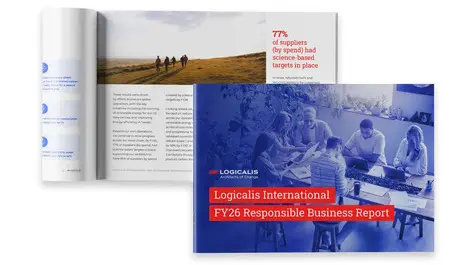
Scope 1 and 2 emissions fell 34% from Logicalis's FY22 baseline, while renewable electricity use rose and supplier climate pledges advanced.
Skills shortages in Canberra's cyber sector are being tackled through awards for women, mentors and employers boosting inclusion.
A record shortlist across 20 categories spotlights women, non-binary people and allies shaping Australia's banking, health and education systems.