

Google launches Universal Cart for agent-led shopping
Wed, 20th May 2026 (Yesterday)
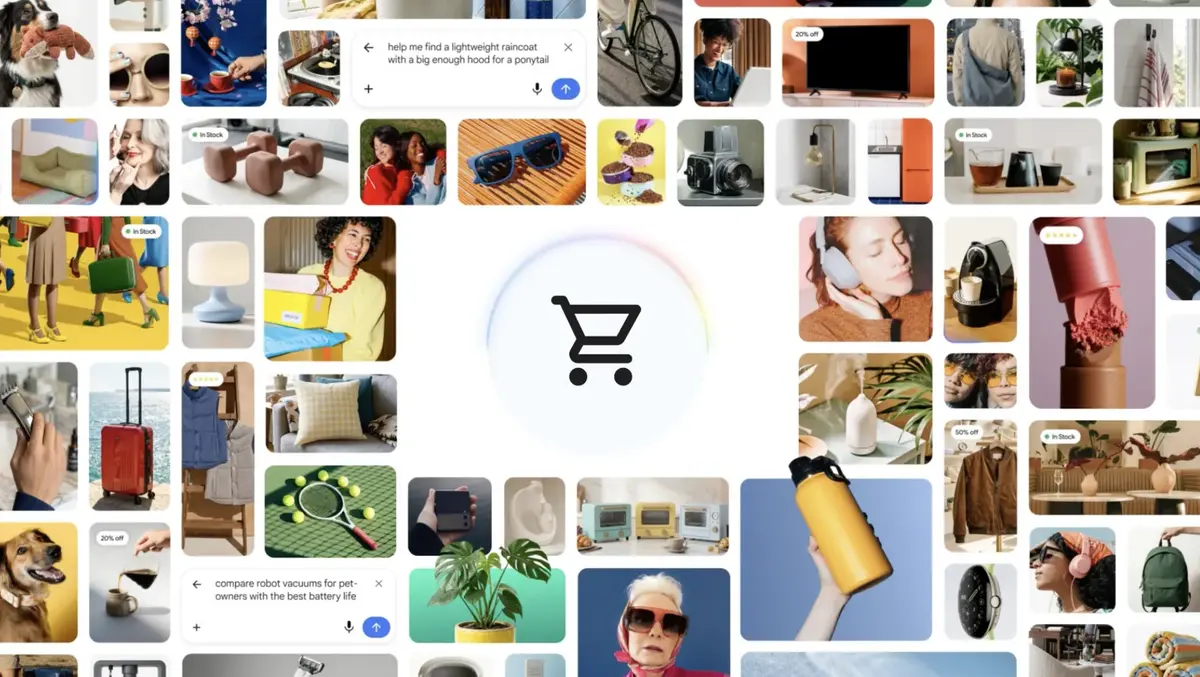
Google has introduced Universal Cart, a shopping tool that works across its services, as part of a broader push into agent-led online commerce.
The cart is designed to work across Search, the Gemini app, YouTube and Gmail, letting users add items while browsing different Google services and manage those purchases in one place. It can track price drops, spot deals, show price history and alert users when products come back into stock.
Beyond collecting items, the cart can also identify issues between products from different retailers, such as incompatible components in a custom PC build, and suggest alternatives before a purchase is made.
Linked to Google Wallet, it can take account of payment card perks, loyalty data and merchant offers when presenting purchase options. The aim is to help shoppers identify savings or points they might otherwise miss.
Checkout Expansion
When users are ready to buy, they can either check out from the cart with Google Pay at participating merchants or move items to a retailer's own website. Google named Nike, Sephora, Target, Ulta Beauty, Walmart, Wayfair and Shopify sellers including Fenty and Steve Madden among the merchants involved in selected checkout functions.
The retailer remains the merchant of record whether the transaction is completed through Google's checkout flow or on the merchant's site. That distinction is likely to matter for fulfilment, returns and customer service as large technology groups seek a bigger role in online retail transactions without formally becoming the seller.
Universal Cart will roll out first across Search and the Gemini app in the United States, with YouTube and Gmail added later. The move places shopping more directly inside products where Google already handles search, recommendations and user intent.
Protocol Push
Alongside the cart, Google is widening the reach of the Universal Commerce Protocol, or UCP, an open standard it has been developing with retailers and technology partners. The protocol is intended to create a shared framework for commerce interactions between merchants, platforms and software agents.
Google's UCP-based checkout experience will expand to Canada and Australia before reaching the UK. The company also plans to extend the protocol to YouTube in the US and into other sectors, starting with hotel booking and local food delivery.
The announcement shows how Google is trying to establish common infrastructure around what it calls agentic commerce, a model in which software agents handle more of the product discovery, comparison and transaction work on behalf of consumers. That places the company in a growing contest over who controls the customer relationship as artificial intelligence tools become more active in online shopping.
Payments Layer
Google also outlined a payment framework called the Agent Payments Protocol, or AP2, designed to let software agents make purchases on a user's behalf within fixed limits. Under that model, a user can specify the brands, products and spending ceiling an agent is allowed to use.
AP2 is intended to create a verifiable connection between the user, merchant and payment processor while keeping a record of the transaction for both sides. Google said the protocol uses digital mandates so the agent is clearly acting on behalf of the customer and a shared record exists if a return is needed.
Google will begin bringing AP2 to its own products, starting with Gemini Spark, but did not provide further detail on how quickly the payments framework would be available more widely.
The launch reflects a broader effort by large technology platforms to move beyond directing traffic to retailers and toward managing more of the shopping journey themselves. For Google, that means linking its search engine, AI assistant, video platform, email service, wallet and payment tools into a single commerce layer built around everyday consumer activity.
The scale of that ambition is underscored by Google's existing shopping reach. According to the company, shoppers use Google more than a billion times a day, and its Shopping Graph contains more than 60 billion product listings.