

PowerCell wins SEK 30m fuel cell order for ECL campus
Tue, 14th Jul 2026
PowerCell has secured an order worth about SEK 30 million to supply hydrogen fuel cell systems for ECL's CSC-1 AI data centre campus in Santa Clara, California. The order covers an installation in the 5 MW class.
The agreement includes PowerCell PS190 fuel cell systems and licences for its Distributed Master Controller software. Deliveries are due to be completed by the end of 2026.
The project extends a collaboration between PowerCell, ECL and Bosch on hydrogen-based power systems for AI infrastructure. It follows the deployment and testing of PowerCell's PS190 systems and Distributed Master Controller at ECL's MV-1 AI data centre in Mountain View, California.
CSC-1 is a 35 MW AI-focused campus built on ECL's FlexGrid architecture. The set-up combines grid electricity, batteries, natural gas and hydrogen fuel cells in one energy system.
The fuel cell systems will be integrated into containerised units within the FlexGrid microgrid architecture. PowerCell's software is designed to manage the fuel cells alongside batteries, grid links and other energy assets as a single system.
Data centre demand
The order comes as data centre operators face growing scrutiny over how to secure enough electricity for new computing sites, especially those designed for artificial intelligence workloads. Against that backdrop, alternative on-site generation and microgrid models are drawing more attention as operators look to reduce reliance on conventional grid connections alone.
The contract marks a step in PowerCell's effort to build power generation into a second core business alongside marine. It also shows how the company is selling its fuel cell hardware and control software together rather than as separate products.
Bosch plays a dual role as both PowerCell's largest shareholder and its manufacturing partner. It also provides local service support in North America, according to PowerCell.
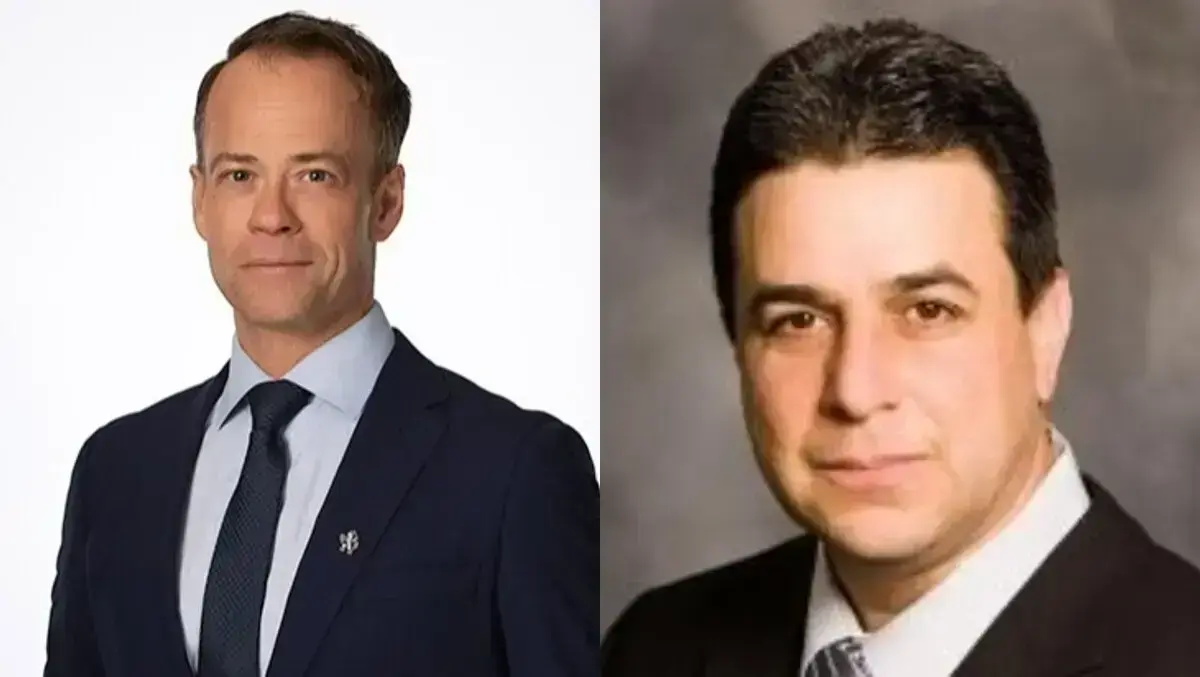
Richard Berkling, Chief Executive Officer of PowerCell, linked the order to wider pressure on data centre power supply.
"This order demonstrates how hydrogen fuel cells are becoming part of critical energy infrastructure. As demand for computing capacity accelerates, access to reliable power has become one of the industry's biggest constraints. ECL deserves significant credit for having continuously operated liquid hydrogen-powered AI infrastructure over the past two years. Technology matures through operation, and that experience has created a depth of application knowledge that few organisations have. By continuously refining and optimizing the installation, ECL has helped demonstrate what it takes to make hydrogen part of primary energy infrastructure rather than simply backup power. Together with ECL and Bosch, we are combining that application knowledge with industrialized fuel cell technology, digital energy orchestration and global manufacturing capability to deliver resilient energy systems ready for commercial scale," said Richard Berkling, Chief Executive Officer of PowerCell.
Operational record
ECL said its decision followed operational work at its existing MV-1 site, where it has been running liquid hydrogen-powered AI infrastructure and comparing different fuel cell technologies under live conditions. It described the latest deal as a commercial order rather than a demonstration project.
"Every AI roadmap we see is constrained by power, not imagination, funding or demand. Over the past two years we have continuously operated and optimized liquid hydrogen-powered AI infrastructure at our MV-1 facility, evaluating multiple fuel cell technologies under real operating conditions before selecting PowerCell. This is not a pilot or a proof of concept - we are placing a firm order for PS190 systems because we have the operational data to back it up. Industrial deployment requires much more than high-performing fuel cells: it requires operational stability, digital energy orchestration and manufacturing capability. That combination is what PowerCell and Bosch bring to our next generation of AI infrastructure, enabling us to scale resilient power systems significantly faster than conventional alternatives," said Yuval Bachar, Founder and Chief Executive Officer of ECL.
PowerCell said the Distributed Master Controller is central to larger installations because it co-ordinates multiple energy sources and supports redundancy at system level. The software can also help manage future expansion if demand at the site rises.
Beyond the equipment sale, the installation could open recurring revenue streams from software, service and lifecycle support over the life of the project. That is significant for manufacturers seeking steadier income from installed systems after initial hardware deliveries.
Separate from the firm order, PowerCell and ECL have also signed a non-binding memorandum of understanding covering about 300 MW of additional hydrogen capacity.