

Southpac Group sees rise in US tech founders seeking offshore asset protection
Mon, 13th Jul 2026 (Today)
US technology founders are increasingly looking beyond domestic wealth planning as artificial intelligence, cybersecurity and data privacy disputes create new litigation risks for entrepreneurs who have built significant personal wealth, according to data analysis by financial services firm Southpac Group.
Southpac Group, a specialist offshore trustee and international asset protection services firm, says the number of new clients using Cook Islands and Nevis asset protection structures rose more than 290 percent between 2022 and 2025.
The firm, which manages around US$4 billion in assets, says the United States now accounts for around 85 percent of its client base.
AI and cyber disputes increase founder risk
The trend comes as new US litigation research shows senior in-house legal counsel are reporting increased exposure to cybersecurity, data privacy and artificial intelligence-related disputes.
The new study found 56 percent of senior in-house legal counsel surveyed across the technology, healthcare, financial institutions and energy sectors reported increased exposure to cybersecurity and data privacy disputes.
A further 46 percent reported increased exposure to AI-related disputes, and data breaches were identified as the most likely trigger for future litigation.
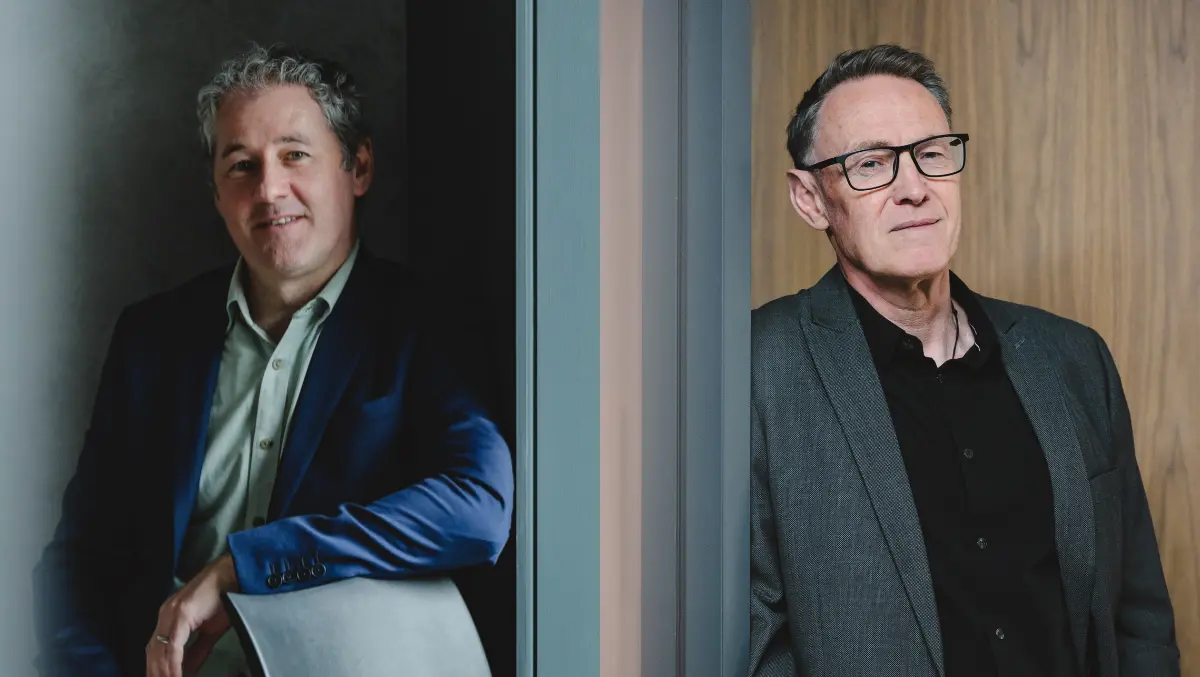
Matthew Smith, a lawyer and director of business development at Southpac Group, says the technology sector is becoming increasingly relevant to the international asset protection market.
"Most clients are professionals or company owners looking to protect assets they have spent decades building," Smith says.
"Technology entrepreneurs can create significant personal wealth very quickly through rapid business growth, investment or a company sale. As that wealth grows, so does the importance of thinking about long-term asset protection, succession planning and legal risk."
Smith says the issue is particularly relevant for founders operating in sectors where regulation, privacy obligations, cyber exposure and emerging AI liability are still developing.
"Technology businesses can scale quickly, but legal risk can scale with them," he says.
Southpac Group says planning must happen before litigation
Smith says offshore asset protection structures are more common in the United States than in countries with less aggressive civil litigation systems.
He says they are typically used as part of a broader wealth preservation, succession planning and risk management strategy.
"The key point is that asset protection planning needs to happen before there is a dispute," Smith says.
"Once litigation is underway, it is usually too late to establish these structures effectively or appropriately."
Southpac Group CEO Mike Arand says asset protection planning is increasingly being considered by business owners, technology entrepreneurs and professionals as part of their long-term financial affairs.
"For many clients, this is about preserving family wealth through lawful, long-term planning in a legal environment where one major dispute can put decades of work at risk," Arand says.
Cook Islands and Nevis structures remain central to US asset protection
Southpac Group was the first licensed trustee company in the Cook Islands and has established more than 4,000 trusts over the past 40 years.
The Cook Islands became internationally known for asset protection trusts after introducing specialised legislation in the late 1980s designed to protect assets from future creditor claims, provided structures are established before legal action begins.
Arand says clients typically hold between US$2 million and US$10 million in assets and come from 51 countries, with the United States remaining by far Southpac Group's largest market.
Southpac Group also uses Nevis, a Caribbean jurisdiction known for protective company legislation, as part of some client structures.
"Many clients combine a Cook Islands trust with a Nevis company, creating two layers of protection across separate jurisdictions," Arand says.
"That combination is one of the reasons Cook Islands and Nevis structures are widely discussed in the US asset protection market."
Due diligence central to Southpac Group approach
Arand says reputable international asset protection structures depend on transparency, compliance and careful client due diligence.
He says Southpac Group undertakes client verification, background checks, sanctions screening, politically exposed person checks and ongoing monitoring before accepting new clients.
"Prospective clients can be declined outright where there are concerns around sanctions exposure, criminal activity, tax transparency or existing legal claims," Arand says.
The Cook Islands was rated compliant or largely compliant across 38 of 40 recommendations set by the Financial Action Task Force in its latest international review.
Southpac Group currently administers trusts and company structures established by clients from 51 countries and employs teams across New Zealand, the Cook Islands, Nevis and the Philippines.
Arand says demand is expected to continue growing as technology entrepreneurs, business owners and professionals look beyond domestic planning tools.
"As legal risks become more complex, more clients are looking at how their personal and family assets would be protected if they were exposed to a major claim," he says.
"That is particularly relevant in sectors such as technology, where business growth can be rapid and the legal environment around AI, cybersecurity and privacy is still developing."