Contactless payments stories
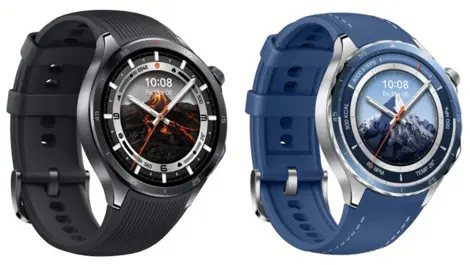
The OPPO Watch X2 smartwatch offers robust design, impressive health features, and up to 16 days' battery life, perfect for style and function on the move.
The Asia Pacific smart retail market is set to soar to USD $198.16 billion by 2034, driven by AI, IoT, and rising digital adoption across the region.
Visa launches AI-powered solutions and partnerships across Asia Pacific, aiming to transform digital commerce with secure, seamless payments and new innovations.
Recent cyber attacks are raising calls for stronger, identity-focused cybersecurity, including Zero Trust principles, with traditional password hygiene no longer sufficient.
Australian hospitality venues forecast ~31% growth in 2025, crediting tech like AI, personalised marketing, and contactless payments for driving efficiency and loyalty.
A new MaaS platform, Supercard X, exploits Android NFC tech allowing cybercriminals to swiftly steal funds, raising urgent security concerns, especially in Asia.
A new report reveals that outdated payment systems at airports are frustrating 54% of travellers, emphasising the need for modernising payment options.
Kaspersky warns of rising risks from hacked NFC tags, urging users to stay vigilant against potential phishing and malware threats as NFC adoption grows.
Many small businesses risk lost sales and loyalty as one in three still don't accept credit or debit cards, despite 86% of consumers relying on them.
OPPO launches its compact Watch X2 Mini smartwatch in New Zealand from NZD $499, blending style, health tracking and smart features in a sleek design.
Gumtree Australia adds PayPal Pay in 4, letting customers split purchases up to AUD $2,000 into four interest-free instalments for more flexible payments.
UK gaming and hospitality venues adopt contactless NFC sticker payments via ASK Global and Sticky Connections, enabling swift, hardware-free transactions.
Square has launched its portable Handheld device in the UK, offering restaurants a lightweight tool to streamline operations and improve service efficiency.
Paydibs launches its NEO terminal in Malaysia, uniting multiple payment methods into one device to simplify transactions for MSMEs at MYR RM189.
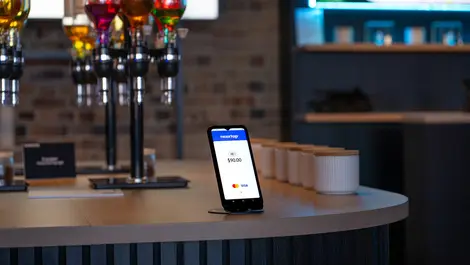
Nexxtap and Samsung partner to launch Tap to Phone payment solution on Galaxy Tab Active5 Pro tablets, enabling seamless contactless transactions in Australia.
Xero has launched Tap to Pay on iPhone in New Zealand, enabling small businesses to accept contactless payments via the Xero app without extra hardware.
OPPO launches its Watch X2 smartwatch in New Zealand at NZD $649, featuring military-grade durability, medical health tracking and five-day battery life.
Marks & Spencer faces a cyberattack disrupting contactless payments and online orders, exposing serious digital security flaws during peak retail season.
Over 75% of UK banking customers would switch banks for a metal payment card, valuing its durability, sustainability, and luxury feel, new research finds.
Booster's Savvy debit card, linked to an investment account, is a finalist at NZ's INFINZ Awards, gaining local and global recognition for innovation.