Financial Literacy stories
It aims to widen access to personalised money guidance as consumers increasingly turn to AI for budgeting, investing and tax help.
Many customers would switch providers for a better online service, as banks face pressure to make digital tools more personal and secure.
The study suggests banks are missing out on USD $30 billion held by US children, most of whom save and spend outside the traditional system.
Low-income Colombians may still shun digital payments because fees, risks and confusing terms undermine confidence in the systems they use.
Micro-entrepreneurs in Azerbaijan will get training and fee breaks as Bir tries to draw them into digital banking and online sales.
Uneven uptake leaves Japan lagging, as fraud fears and AI scam worries reshape how families send and receive money across Asia Pacific.
Consumers across Asia Pacific are willing to wait longer for transfers if it reduces scam losses, Visa's survey of 45,000 people found.
Advisers could save hours on prep and compliance as the new Claude plugin links into portfolio, CRM and planning systems, Anthropic said.
A survey suggests 21% of UK cardholders do not know what cover their cards include, highlighting a wider checkout protection gap.
Young learners will get free lessons on budgeting, credit and blockchain as the partnership targets financial skills in emerging economies.
Scammers are draining older adults' savings through romance, friendship and fake AI trading pitches on social media before withdrawals are blocked.
Retail investors are being lured in by apps that turn market chatter into trades, but the model can magnify losses as quickly as gains.
A Dunedin man was deceived out of more than NZD $525,000 over 18 years by an Auckland woman posing as an Australian police recruit.
Round-up saving has pushed more than 7,000 users towards retirement balances, with self-employed New Zealanders making up about a third of Feijoa's base.
A survey of 2,000 adults suggests AI is overtaking friends and media as a source of money help, despite lingering doubts over accuracy.
More than half of Hong Kong children surveyed keep their money outside bank accounts, raising questions for lenders courting young savers.
The move aims to make Club+ more proactive, with alerts on savings and switching opportunities instead of waiting for customers to compare again.
Most of it sits outside mainstream banks, with 6 million children aged eight to 15 holding cash, accounts, apps or piggy banks.
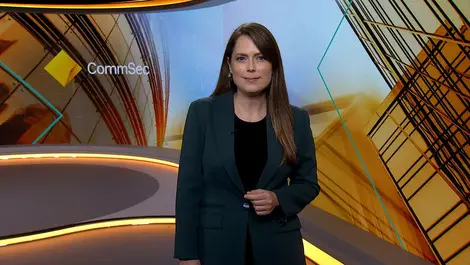
The tie-up gives Commonwealth Bank a branded slot beside 24-hour market coverage as households face interest rates and cost-of-living pressure.
Customers will be able to link bank accounts securely as the app replaces manual uploads with consented data under Australia's Consumer Data Right.