Employee Retention stories
Brendan Smart, who is the Country Manager at InfoTrack, joins us today to tell us more about InfoTrack and what they are doing in APAC market. .
In the case of Customer Data Platform (CDP) deployment, to maximise its success, a process of human transformation needs to be followed.
Finding a balance between tracking changes and open, honest communication can go a long way in preventing unplanned downtime and keeping engineers happy.
Integration with Workday HCM makes it easy for employees to participate in recognition, celebrations, and conversations right where they work.
If the goal is to win hearts and minds, formal awareness training can fall short and often doesn't inspire people to care.
Diversity, inclusion, and equity are vital for business success. Accenture's AWARE solution aims to help organizations achieve these goals.
Workplace design is crucial for employee wellbeing and productivity, with a study showing the importance of flexible work options and improved office spaces.
The four-day week is gaining traction as a new frontier in flexible work, but is it the answer? Employees across the APJ region weigh in.
A global survey finds employers are missing employees’ skills needs, with 41% saying they lack the development support to grow at work.
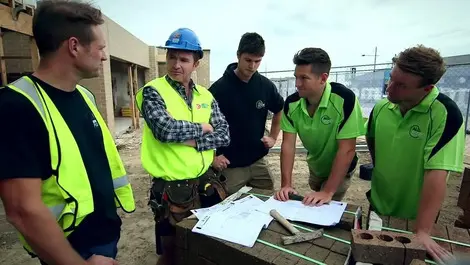
Workers are avoiding injury reports as verbal abuse and physical threats remain common across New Zealand construction sites.
During these challenging times, employers must continue enhancing the employee experience and developing a strong employer brand.
In the face of escalating complications and the need to continuously adapt, payroll professionals are increasingly experiencing burnout.
Open communication, mental health support and small perks can help employers keep staff loyal as recession pressures mount.
Skills shortages, weather damage and rising costs are squeezing construction firms as Waihanga Ara Rau outlines priorities for the next 18 months.
Employee equity plans are becoming increasingly popular in Asia, with 83% of Hong Kong-listed companies offering share plans.
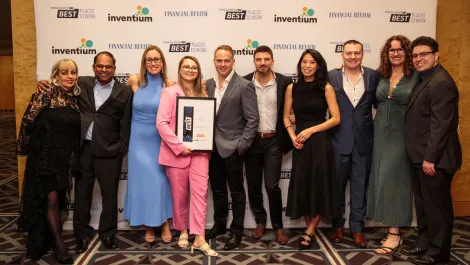
The Australian Financial Review and Boss Magazine have published the prestigious annual list of Best Places to Work, which this year includes Lumify Group.
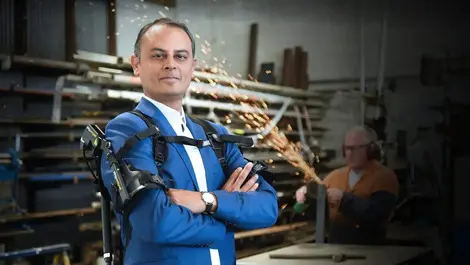
With injuries and labour shortages biting, wearable robotics are being trialled to cut strain, lift productivity and keep workers on the job.
Gen Z and millennials are driving shorter job stints, leaving employers to rethink retention as average tenure settles at two to four years.
Findings from the company's second DE&I survey have revealed that diversity matters more to companies now than ever before.
Rising costs, labour shortages and patchy demand are forcing trades firms to adapt fast as construction failures mount and projects stay funded.